
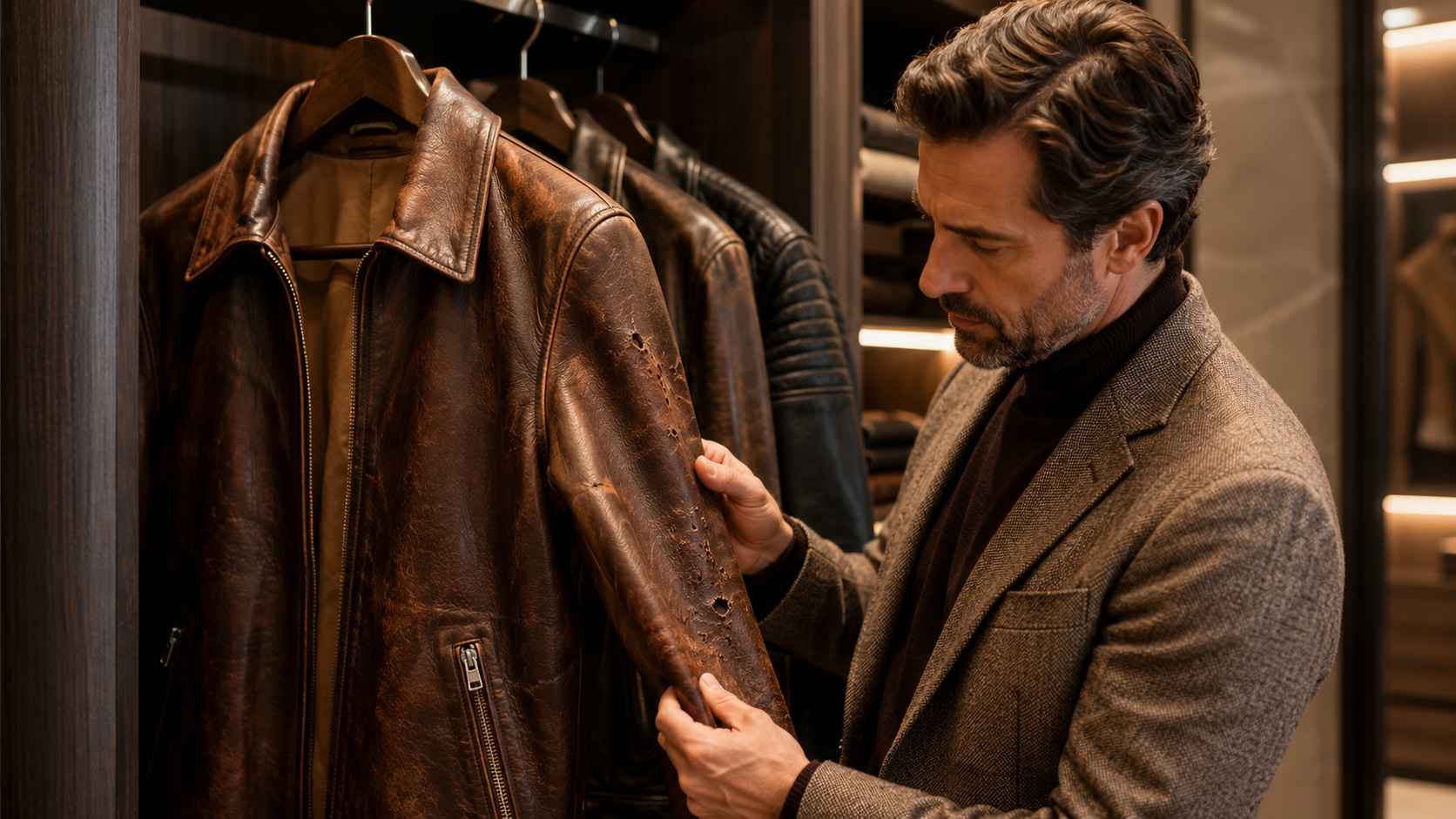
A premium leather jacket is more than just a wardrobe staple—it’s an investment in timeless style. Whether you wear it for everyday fashion or reserve it for special occasions, few things are more frustrating than discovering unexpected damage after storing your favorite jacket.
Many people assume leather is immune to pests, but that’s not always the case. Certain insects can damage leather garments, especially when they are stored improperly or exposed to moisture, dust, and organic debris.
If you’ve been searching for information about leather jacket insects, you’re not alone. Understanding which insects are attracted to leather and how to prevent damage can help extend the life of your favorite piece.
In this guide, Charles Wear explains everything you need to know about insects that affect leather jackets and the best ways to keep your investment protected.
Can Insects Damage Leather Jackets?
The short answer is yes. While insects don’t typically feed on leather itself as a primary food source, several species are attracted to the natural proteins, oils, sweat residue, and organic materials that accumulate on leather garments over time.
If a leather jacket is stored in a dark, humid, or neglected environment, insects may find it an attractive place to feed, nest, or lay eggs.
This can lead to:
- Small holes and surface damage
- Discoloration
- Weakening of leather fibers
- Unpleasant odors
- Permanent deterioration of the garment
For anyone who owns a high-quality leather jacket, prevention is far easier and less expensive than restoration.
Common Insects That Can Damage Leather Jackets
1. Carpet Beetles
Carpet beetles are among the most common pests associated with leather jacket damage.
Although adult carpet beetles primarily feed on pollen, their larvae are the real problem. These larvae consume animal-based materials containing keratin and proteins, including:
- Leather
- Wool
- Fur
- Feathers
- Silk
If your leather jacket has traces of body oils, food particles, or dirt, carpet beetle larvae may become attracted to it.
Signs of Carpet Beetle Damage
- Small irregular holes
- Thinning areas of leather
- Shed larval skins
- Tiny brown or black beetles nearby
2. Clothes Moths
When people think of clothing damage, clothes moths are often the first culprit that comes to mind.
Moth larvae prefer natural fibers such as wool and cashmere, but they may also target leather jackets that contain fur collars, shearling linings, or organic residues.
Leather garments stored alongside wool sweaters and other natural fabrics face a higher risk of infestation.
Warning Signs
- Small holes near seams
- Silky webbing
- Larvae inside storage areas
- Damaged lining materials
3. Silverfish
Silverfish are moisture-loving insects commonly found in damp closets, basements, and storage rooms.
While they rarely consume leather directly, they can damage materials associated with leather jackets, including cotton linings, labels, and storage containers.
Their presence often signals excessive humidity, which can create additional problems for leather preservation.
4. Cockroaches
Cockroaches are opportunistic feeders and may chew on leather items when food sources are limited.
They are particularly attracted to:
- Sweat residue
- Food stains
- Skin oils
- Organic debris
In addition to physical damage, cockroaches can leave behind stains and unpleasant odors that are difficult to remove from leather.
5. Mold-Related Pest Activity
Although mold is not an insect, damp conditions that encourage mold growth often attract various pests.
A leather jacket stored in a humid environment becomes vulnerable to both fungal growth and insect infestations. This combination can accelerate deterioration and significantly reduce the lifespan of the garment.
Why Are Insects Attracted to Leather Jackets?
Many jacket owners are surprised to learn that insects are usually not attracted to the leather itself.
Instead, they are drawn to:
Body Oils and Sweat
After repeated wear, natural oils from your skin accumulate on the surface and lining of a leather jacket. These organic residues can attract insects seeking nutrients.
Food Residue
Even tiny food particles can attract pests. Wearing your jacket while eating outdoors, traveling, or attending events can leave behind residues that are invisible to the naked eye.
Dirt and Dust
Dust contains organic material that certain insects feed on. A jacket left untouched for months may become more vulnerable than one that is cleaned regularly.
Humidity
Moist environments encourage both insect activity and mold growth. Leather stored in humid conditions faces a much higher risk of damage.
How to Tell If Insects Are Damaging Your Leather Jacket
Early detection is essential. Look for these warning signs:
- Tiny holes in the leather or lining
- Unexplained scratches or surface wear
- Shed insect skins
- Small larvae in storage areas
- Unusual odors
- Staining or discoloration
- Visible insects near the jacket
If you notice any of these symptoms, inspect your entire wardrobe immediately to prevent further spread.
How to Protect Your Leather Jacket From Insects
Clean Your Jacket Before Storage
One of the biggest mistakes people make is storing a jacket without cleaning it first. Even if it appears clean, sweat, oils, and dirt may remain on the surface.
Before seasonal storage:
- Wipe down the jacket with a leather-safe cleaner.
- Remove dirt and debris.
- Allow it to dry completely.
Clean leather is far less attractive to insects.
Store It in a Breathable Garment Bag
Plastic bags can trap moisture and encourage mold growth. Instead, choose a breathable garment bag that allows air circulation while protecting the jacket from dust and pests. This simple step significantly reduces the risk of infestation.
Control Humidity Levels
Leather thrives in stable conditions. Aim for a storage environment with moderate humidity.
Avoid storing leather jackets in:
- Damp basements
- Attics
- Garages
- Unventilated closets
Using a dehumidifier can help create a safer environment.
Regularly Inspect Stored Clothing
Even if you rarely wear your leather jacket, inspect it every few months.
Check for:
- Insect activity
- Moisture buildup
- Mold growth
- Surface damage
Routine inspections help catch problems before they become costly.
Keep Storage Areas Clean
Vacuum closets regularly and remove dust buildup.
Pay special attention to:
- Closet corners
- Baseboards
- Shelving
- Under storage containers
A clean storage space is less appealing to pests.
Avoid Overcrowding
Tightly packed clothing creates dark, undisturbed areas where insects thrive. Leave enough space between garments to promote airflow and visibility.
What to Do If Your Leather Jacket Has Insect Damage
If you discover insect-related damage, don’t panic. The best course of action depends on the severity of the issue.
Minor Damage
Small areas of wear may be repairable through:
- Professional leather conditioning
- Color restoration
- Surface refinishing
Moderate to Severe Damage
If holes, cracking, or structural damage are present, consult a leather restoration specialist. Attempting DIY repairs can sometimes worsen the problem. Professional restoration may help preserve both the appearance and value of your jacket.
Investing in Quality Leather Matters
Not all leather jackets offer the same durability. Premium craftsmanship and high-quality leather generally withstand environmental stress better than lower-grade alternatives.
At Charles Wear, we believe a leather jacket should remain a long-term part of your wardrobe—not something that needs replacing after a few seasons.
Proper care, storage, and maintenance help ensure your investment continues to look exceptional year after year.
Final Thoughts
Leather jacket insects may not be something most people think about until damage appears, but prevention is far easier than repair.
Carpet beetles, clothes moths, silverfish, and other pests can all contribute to deterioration when leather garments are stored improperly. Fortunately, regular cleaning, proper storage, humidity control, and routine inspections can dramatically reduce the risk.
A well-maintained leather jacket not only preserves its appearance but also protects the value of one of the most versatile pieces in any wardrobe.
By following these simple leather care practices, your favorite jacket can continue delivering style, comfort, and confidence for years to come.


 No products in the cart.